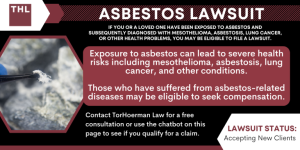
Mesothelioma is a serious illness caused by asbestos exposure. If you live in Virginia and need help, Virginia Mesothelioma lawyers are here for you.
Mesothelioma is rare but dangerous. It often comes from asbestos exposure at work. People diagnosed with mesothelioma face many challenges. Finding a good lawyer can help a lot. These lawyers specialize in helping victims get compensation. They understand the legal process and fight for your rights.
This blog will guide you on how Virginia Mesothelioma lawyers can assist you. Learn how they can support you and your family during this tough time.
Introduction To Mesothelioma
Mesothelioma is a rare and serious type of cancer. It primarily affects the lining of the lungs or abdomen. Many people who suffer from this illness were exposed to asbestos. Virginia Mesothelioma Lawyers help victims get compensation for their suffering. Understanding mesothelioma is the first step towards seeking justice.
What Is Mesothelioma?
Mesothelioma is a cancer that forms in the thin layer of tissue. This tissue, known as the mesothelium, covers many internal organs. It is most common in the lining of the lungs and chest wall. There are four main types:
- Pleural Mesothelioma: Affects the lining of the lungs
- Peritoneal Mesothelioma: Affects the lining of the abdomen
- Pericardial Mesothelioma: Affects the lining of the heart
- Testicular Mesothelioma: Affects the lining of the testicles
Symptoms can include chest pain, shortness of breath, and weight loss. Early diagnosis is crucial for better treatment outcomes.
Causes Of Mesothelioma
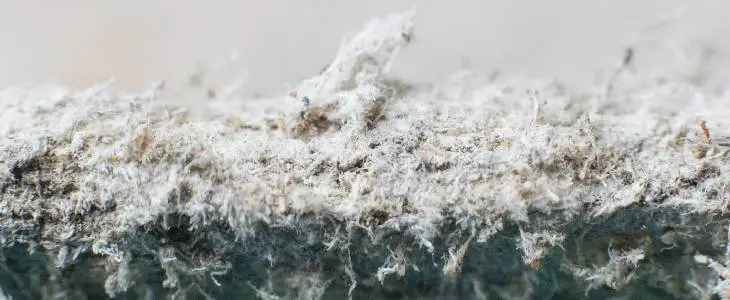
The primary cause of mesothelioma is exposure to asbestos. Asbestos is a group of minerals made of microscopic fibers. These fibers are resistant to heat, fire, and chemicals. They do not conduct electricity. For these reasons, asbestos was widely used in many industries.
When asbestos fibers are inhaled or swallowed, they can become lodged in the mesothelium. Over time, these fibers cause inflammation and scarring. This can lead to the development of cancer cells. Even brief exposure to asbestos can be harmful. Symptoms of mesothelioma may take 20-50 years to appear.
| Risk Factors | Details |
|---|---|
| Occupational Exposure | Jobs in construction, shipbuilding, and industrial work |
| Secondhand Exposure | Family members of workers exposed to asbestos |
| Environmental Exposure | Living near asbestos mines or factories |
Understanding these causes helps in taking preventive measures. If you or a loved one has been exposed to asbestos, contacting Virginia Mesothelioma Lawyers can be a crucial step. They can guide you through the legal process to seek compensation.
Importance Of Legal Representation
Being diagnosed with mesothelioma is overwhelming. It not only affects your health but also your finances. If you or a loved one is facing this diagnosis in Virginia, seeking legal representation is crucial. A skilled lawyer can help navigate the complexities of mesothelioma cases and ensure you receive the compensation you deserve.
Why You Need A Lawyer
Handling a mesothelioma case alone is challenging. The legal process involves many steps and can be confusing. A lawyer understands the complexities of asbestos exposure and mesothelioma claims. They know how to gather evidence, file documents, and represent you in court. Without legal help, you might miss critical details that could affect your case.
Benefits Of Expert Legal Help
Hiring an experienced mesothelioma lawyer offers many benefits:
- Expert Knowledge: Lawyers specializing in mesothelioma cases have deep knowledge of asbestos laws.
- Resources: They have access to medical experts and investigators who can strengthen your case.
- Compensation: An expert lawyer can help you secure the highest possible compensation for medical bills and suffering.
- Peace of Mind: You can focus on your health while your lawyer handles the legal work.
Choosing the right legal representation can make a significant difference in the outcome of your case. A knowledgeable Virginia mesothelioma lawyer will guide you through every step, ensuring your rights are protected.
Choosing The Right Lawyer
Finding the right Virginia Mesothelioma Lawyer can be a crucial decision. The right lawyer will help you navigate complex legal processes. Choosing wisely can ensure you receive fair compensation.
Qualities To Look For
Not all lawyers are the same. Here are some qualities to look for:
- Experience in mesothelioma cases
- Deep understanding of Virginia laws
- Strong track record of successful cases
- Good communication skills
- Compassion and empathy
Questions To Ask
Before hiring a lawyer, ask these important questions:
- How many mesothelioma cases have you handled?
- What is your success rate?
- How will you keep me informed?
- What are your fees?
- Can you provide references?
Choosing the right lawyer is vital. Make sure to ask the right questions. Look for the right qualities. This ensures you have the best chance for a successful outcome.
Virginia Mesothelioma Lawyers
Virginia mesothelioma lawyers specialize in helping victims of asbestos exposure. Mesothelioma is a rare and aggressive cancer caused by asbestos. Victims often need legal help to seek compensation. These lawyers understand the complexities of mesothelioma cases. They offer support and guidance through the legal process.
Top Law Firms
Several top law firms in Virginia focus on mesothelioma cases. These firms have a history of winning large settlements. They have the resources to handle complex litigation. Their team of experts includes experienced mesothelioma attorneys. These law firms are dedicated to providing the best representation.
Experienced Attorneys
Experienced attorneys are crucial in mesothelioma cases. They know how to gather evidence and build strong cases. They understand the medical and legal aspects of mesothelioma. These attorneys work closely with victims and their families. They fight to ensure fair compensation for their clients.
Legal Process
The legal process for mesothelioma cases can be daunting. Understanding the steps can help ease some of the stress. Virginia mesothelioma lawyers are skilled in guiding clients through each stage.
Filing A Claim
Filing a claim is the first step in seeking justice. A mesothelioma lawyer will gather essential documents. This includes medical records and evidence of asbestos exposure. They will also determine the best jurisdiction for your case. The lawyer will then file the claim on your behalf. This ensures the process starts smoothly and swiftly.
Steps In A Lawsuit
The lawsuit process involves several key steps. First, there is the discovery phase. Here, both sides exchange information and evidence. This step can take time but is crucial for a strong case. Next, depositions occur where witnesses provide sworn testimony. Following this, pre-trial motions may happen to resolve issues before trial.
If the case goes to trial, both sides present their arguments. The jury then deliberates and reaches a verdict. In many cases, settlements are reached before trial. This can save time and reduce stress for the victims.
Compensation And Settlements
Virginia mesothelioma lawyers help victims get compensation for their suffering. Compensation and settlements offer financial relief during tough times. These funds cover medical bills, lost wages, and more. Understanding your options is vital for securing the best outcome.
Types Of Compensation
Victims of mesothelioma can receive several types of compensation. These include settlements, verdicts, and trust fund claims. Settlements are agreements reached before a trial begins. Verdicts result from court cases where a judge or jury decides. Trust fund claims come from companies that have set aside money for victims.
Settlement Vs. Trial
Settling a case can be quicker and less stressful. It involves negotiating a payment without going to court. Trials can be lengthy and unpredictable. Some victims prefer to avoid the courtroom. Others choose to fight for a potentially higher payout.
Each path has pros and cons. Settlements offer faster resolution and guaranteed compensation. Trials may result in higher awards but come with risks. Consulting with a skilled Virginia mesothelioma lawyer is crucial. They guide you through the process and help make the best decision for your situation.
Support For Victims And Families
Virginia Mesothelioma Lawyers offer essential support for victims and their families. This support goes beyond legal help. It extends to emotional and financial assistance. These lawyers understand the challenges faced by those diagnosed with mesothelioma. They strive to provide comprehensive support to ensure the well-being of victims and their loved ones.
Emotional Support
A mesothelioma diagnosis can be overwhelming. Victims and families often feel isolated and scared. Virginia Mesothelioma Lawyers offer emotional support to help them cope. They connect families with support groups and counseling services. These resources provide a safe space to share feelings and experiences. The goal is to help families feel understood and less alone.
Financial Assistance
Mesothelioma treatment is expensive. The financial burden can add stress to an already difficult situation. Virginia Mesothelioma Lawyers assist families in securing compensation. They work to recover medical costs, lost wages, and other expenses. This financial assistance helps families focus on care and recovery. It eases the financial strain caused by the illness.

Credit: www.nicholllaw.com
Resources For Further Information
Finding the right support and information is crucial for those dealing with mesothelioma in Virginia. Here is a comprehensive list of resources to help you navigate through legal and medical aspects. These resources aim to provide you with the necessary information and support you need during this challenging time.
Legal Resources
Understanding your legal rights is essential if you or a loved one has been diagnosed with mesothelioma. Here are some key legal resources:
- Virginia Mesothelioma Lawyers: Specialized lawyers can help you understand your legal options and fight for your rights.
- Virginia Bar Association: The association provides resources to find a qualified mesothelioma lawyer in your area.
- Legal Aid Societies: These organizations offer free or low-cost legal services to those in need.
These resources can guide you through the legal process and help you seek justice and compensation.
Medical Resources
Access to quality medical care is vital for mesothelioma patients. Here are some medical resources available in Virginia:
- Virginia Cancer Specialists: They offer comprehensive cancer care, including specialized treatment for mesothelioma.
- University of Virginia Health System: This health system provides advanced treatment options and clinical trials for mesothelioma patients.
- American Cancer Society (Virginia Chapter): They offer support groups, information on treatment options, and patient services.
These resources can help you find the best medical care and support available in Virginia.
| Resource | Description |
|---|---|
| Virginia Mesothelioma Lawyers | Specialized lawyers who understand the complexities of mesothelioma cases. |
| Virginia Cancer Specialists | Experts in providing comprehensive cancer care and treatment. |
| American Cancer Society | Offers support groups and information on treatment options. |
These resources will assist you in finding the necessary legal and medical support you need. Utilizing these resources can significantly impact your journey and help you navigate through the challenges of mesothelioma.
Credit: koonz.com
Frequently Asked Questions
What Is Mesothelioma?
Mesothelioma is a rare cancer caused by asbestos exposure. It affects the lining of the lungs, abdomen, or heart.
Why Hire A Virginia Mesothelioma Lawyer?
A Virginia mesothelioma lawyer specializes in asbestos-related cases. They can help you get compensation for medical expenses and suffering.
How To Choose A Mesothelioma Lawyer In Virginia?
Look for experience, client reviews, and successful case history. A good lawyer should offer a free consultation.
What Compensation Can Mesothelioma Victims Receive?
Victims can receive compensation for medical bills, lost wages, and pain and suffering. Settlements vary based on the case.
Conclusion
Finding the right mesothelioma lawyer in Virginia is crucial. They ensure justice and compensation. Contact a knowledgeable lawyer to discuss your case. They understand the legal complexities. Your health and peace of mind matter. Act now to protect your rights.
Experienced lawyers help you navigate the process. Get the support you need today. The right legal team makes a difference. Secure your future with expert guidance. Don’t face this battle alone. Reach out for professional help. Your journey to justice starts here.